Australian Stencil Art Prize – Your Home for Stencil & Street Art
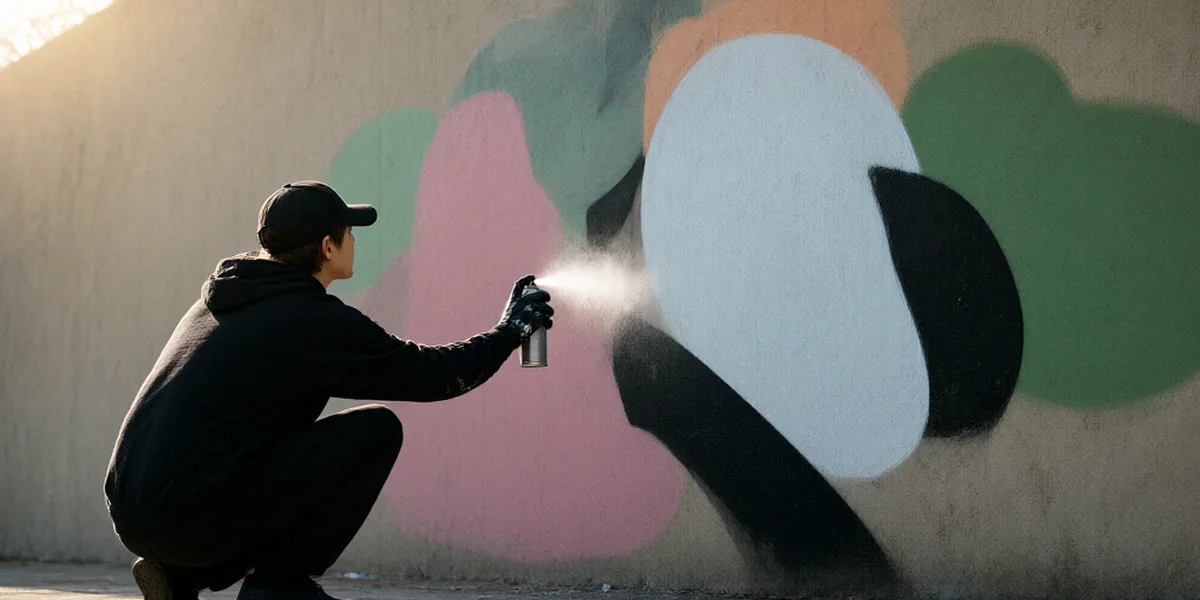
It’s just after midnight in a quiet Melbourne laneway. The only light comes from a streetlamp and the faint glow of a phone screen propped against a wheelie bin. An artist peels a sheet of Mylar away from a brick wall to reveal a razor-sharp portrait in black, white and electric blue — clean edges, perfect registration, not a single drip. By morning, commuters will walk past it without knowing it appeared overnight. But somewhere in that moment, a question forms: what does it take to win the country’s most prestigious stencil art prize? That’s exactly what we’re here to explore. Welcome to australianstencilartprize.com — our home for stencil art, street art and the artists who make it happen across Australia.
What Is the Australian Stencil Art Prize?
The Australian Stencil Art Prize is the country’s flagship celebration of stencil-based art — a competition, an annual exhibition and, frankly, a community rolled into one. Founded in 2008, the prize has spent more than a decade and a half doing something remarkable: taking an art form that many people once dismissed as vandalism and putting it on gallery walls where it belongs. Every year, the prize culminates in an exhibition at the Chrissie Cotter Gallery in Sydney, drawing entries from every state and territory, plus a growing number of international artists who want to test themselves against the best Australia has to offer.
For us, the prize isn’t just about who takes home the trophy. It’s about legitimacy, visibility and momentum. Stencil art has a rich history — from political protest posters to intricate multi-layer portraits — and the Australian Stencil Art Prize gives that history a stage. It says, loud and clear, that cutting a stencil by hand and building an image layer by layer is a fine art practice worthy of serious attention.
History and Origins of the Prize
When the Australian Stencil Art Prize was founded in 2008, stencil art in Australia was in an interesting place. Street art was booming — Melbourne’s laneways were becoming internationally famous, and artists like those in the Everfresh Studio collective were pushing the boundaries of what spray paint and stencils could do. But there was a gap: no dedicated national platform that treated stencil art as its own discipline, with its own techniques and its own masters.
The prize filled that gap. From its early years, it attracted a mix of established street artists, graphic designers, fine art graduates and self-taught stencil obsessives. The format was simple and democratic: submit a stencil-based work, have it judged by a panel of artists and curators, and if you’re selected, see it exhibited alongside the best entries in the country. The annual exhibition at the Chrissie Cotter Gallery in Sydney became the anchor of the whole operation — a physical space where the stencil community could gather, argue about techniques, and celebrate each other’s work.
Over the years, the prize has grown in prestige and prize money. Today, the winner receives a $10,000 acquisitive prize, meaning the winning work is purchased for a collection — a genuine vote of confidence in the artist’s career. For many finalists, the prize has been a launchpad: gallery representation, commissions, international exhibitions and teaching opportunities have all followed from a strong showing.
Why the Prize Matters for Australian Artists
Let’s be honest about the art world: it can be hard to break into. Galleries have their favourites, commercial pressures shape what gets shown, and artists working in non-traditional media often struggle to be taken seriously. The Australian Stencil Art Prize cuts through a lot of that noise. It’s a merit-based platform where the work speaks first.
Here’s what the prize offers Australian artists that’s genuinely hard to find elsewhere:
- National exposure: Finalists are exhibited at the Chrissie Cotter Gallery in Sydney, attracting collectors, curators, media and fellow artists.
- Financial support: The $10,000 acquisitive prize gives the winner real breathing room to keep creating.
- Credibility: A prize listing or win is a legitimate line on any artist CV, whether you’re applying for grants, residencies or gallery shows.
- Community: The prize connects artists who might otherwise work in isolation, building networks that last well beyond the exhibition.
- Advocacy: Every year the prize reminds the public and institutions that stencil art is a serious, skilled and evolving art form.
We’ve seen artists enter as unknowns and leave with representation. We’ve seen finalists meet collaborators at the opening night and go on to paint murals together across the country. That’s the kind of impact a well-run prize can have.
How the Prize Has Shaped the Stencil Art Scene
It’s fair to say the Australian Stencil Art Prize has helped shift the conversation around stencil art in this country. When the prize started in 2008, stencil work was often lumped in with “street art” as a broad category, and it rarely got the specific critical attention it deserved. By creating a dedicated competition, the prize forced people to look closely at the craft: the cutting, the layering, the registration, the colour choices, the conceptual depth.
The flow-on effects have been significant. Young artists now have a clear pathway — they can see what winning work looks like, study past finalists, and aim for something concrete. Established artists use the prize to push into new territory, experimenting with scale, materials and subject matter. And the broader scene has benefited from the visibility: more public art commissions, more gallery interest, more media coverage of stencil-specific events.
Perhaps most importantly, the prize has created a sense of lineage. There’s now a recognisable history of Australian stencil art, with the prize as its annual record. That matters for any art form that wants to be taken seriously.
Stencil Art Techniques and Materials We Swear By
Great stencil art isn’t just about having a good idea — it’s about execution. A brilliant concept can be undone by a warped stencil, a clogged nozzle or a misaligned layer. Over the years, we’ve talked to dozens of artists about their process, and the same themes keep coming up: preparation, patience and the right materials. Let’s dig into the nuts and bolts.
Choosing the Right Stencil Material
The material you cut your stencil from shapes everything that follows. Get it wrong and you’ll fight the stencil all the way to the wall. Here’s how the main options stack up:
- Mylar: The gold standard for reusable stencils. It’s a thin polyester film that’s tough, flexible and resistant to spray paint bleed. Mylar holds fine detail well, which makes it ideal for portrait work and intricate patterns. It’s more expensive than alternatives, but it lasts for many uses if you clean it properly.
- Acetate: Similar to Mylar but generally a bit stiffer and cheaper. Acetate is great for one-off or short-run stencils, and it cuts cleanly with a sharp blade. It can become brittle over time, especially if exposed to solvents, so it’s less suited to heavy reuse.
- Cardstock and paper: The entry point for beginners. Cheap, easy to cut, and fine for quick projects or test runs. The downside is obvious — paper stencils degrade fast, warp when they get damp, and can’t handle fine detail without tearing.
- Repurposed materials: Some artists swear by plastic folders, overhead projector sheets or even heavy-duty freezer paper. These can work brilliantly for specific effects, and they’re a sustainable option if you’re experimenting.
Our advice: start with acetate while you’re learning, then move to Mylar once you’re producing work you want to keep or exhibit. And always cut on a proper cutting mat with a fresh blade — a dull blade is the fastest way to ruin a detailed stencil.
Spray Paint Brands Australian Artists Love
Walk into any Australian stencil artist’s studio and you’ll spot a few familiar cans. Two brands come up again and again in our conversations: MTN 94 and Ironlak. Both are popular among Australian stencil artists for good reason.
MTN 94 is a Spanish-made low-pressure spray paint that’s become a favourite for stencil work. It has a matte finish, dries quickly, and produces a soft, controllable spray that’s ideal for layering. The low pressure means less overspray, which translates to cleaner edges — exactly what stencil artists need. It comes in a huge range of colours, including some beautifully muted tones that work well for portrait and figurative work.
Ironlak is an Australian success story, born in Brisbane and now used around the world. It’s known for its high pigment load, consistent output and excellent colour range. Ironlak’s cans are popular for larger works and murals, and the brand has a strong relationship with the street art community — sponsoring events, supporting artists and generally being part of the culture rather than just selling to it.
Beyond those two, you’ll also see Montana Black, Molotow and Loop in Australian studios. Each has its quirks — pressure, nozzle options, drying time — so it’s worth testing a few to find what suits your hand. And don’t overlook low-pressure or “skinny” caps, which can transform a standard can into a precision tool for stencil work.
Layering and Registration Tips for Clean Lines
Multi-layer stencils are where the magic happens. A single-layer stencil gives you a silhouette; a five-layer stencil gives you depth, shading and a sense of life. But layering is also where things go wrong. Here’s how to keep your registration tight:
- Plan your layers on paper first. Sketch the image and decide which colours go down in which order. Dark to light, or light to dark? Each project is different, but you need a plan before you cut.
- Use registration marks. Cut small alignment marks into every layer — a cross, a corner notch, anything that lets you line up the next stencil precisely. Without registration marks, you’re guessing.
- Secure the stencil. Use low-tack spray adhesive, tape or weights to hold the stencil flat against the surface. Any gap between stencil and wall equals bleed.
- Build up thin coats. Light passes with the can, not heavy soaking. You can always add more paint; you can’t easily remove it.
- Let layers dry. Rushing between layers is the classic mistake. Give each coat a few minutes — or longer in cold or humid conditions — before adding the next.
- Clean as you go. Wipe paint buildup off the stencil between uses so the edges stay sharp and the next layer sits flush.
Registration is a skill, and it improves with practice. Some artists build jigs or frames to hold stencils in place; others rely on muscle memory and careful marking. Either way, the goal is the same: when you pull that final stencil away, the image should look like it was always there.
Street Art in Australia: Cities, Crews, and Culture
Australia punches well above its weight in street art. For a country of our size, we’ve produced an extraordinary number of internationally respected artists, and our cities have become pilgrimage sites for street art lovers from around the world. If you’re a stencil artist — or aspiring to be one — here’s where the action is.
Melbourne: The Stencil Capital of Australia
Let’s start where it all happens: Melbourne. If Australia has a street art capital, it’s Melbourne, and if Melbourne has a street art heart, it’s Hosier Lane. This narrow bluestone laneway in the CBD is a world-renowned street art destination and a must-visit for stencil artists. The walls change constantly — sometimes daily — and you’ll find everything from intricate multi-layer stencil portraits to bold text pieces, paste-ups and throw-ups. It’s a living, breathing gallery with no opening hours and no entry fee.
But Melbourne’s street art scene is much bigger than one lane. Fitzroy, Collingwood, Brunswick, Prahran and the CBD’s network of laneways all host significant work. And behind much of it is a community of artists and crews who’ve shaped the culture for decades. Chief among them is Everfresh Studio, the legendary Melbourne-based street art collective that has influenced the Australian stencil scene enormously. Everfresh artists have been instrumental in pushing stencil and street art into galleries, commissions and public consciousness, and their influence ripples through every new generation of Melbourne artists.
For stencil artists specifically, Melbourne is a dream. The city’s mix of textured brick, smooth concrete and weathered surfaces offers endless canvases, and the local culture genuinely celebrates street art rather than merely tolerating it. If you’re visiting, bring your sketchbook, your camera and plenty of time — you’ll need it.
Sydney’s Street Art Scene: From Newtown to Marrickville
Sydney’s scene has come into its own over the past decade, and it’s now a genuine rival to Melbourne in terms of quality and volume. The inner west is the epicentre. Newtown is famous for its murals, its politically charged street art and its constant evolution — you can walk the same street twice in a month and see completely different work. King Street and its side alleys are particularly rich territory.
Just down the road, Marrickville has become a hotspot for larger-scale murals and ambitious projects. The area’s industrial buildings and warehouse walls give artists room to work big, and the local council has been relatively supportive of street art as a cultural asset. You’ll also find strong work in Enmore, Erskineville, Redfern and along the Inner West Line.
And of course, Sydney is home to the Australian Stencil Art Prize’s annual exhibition at the Chrissie Cotter Gallery — which makes the city a natural focal point for stencil artists nationwide. If you’re in Sydney during the exhibition period, it’s worth planning your visit around it. The opening night alone is worth the trip.
Brisbane and Beyond: Growing Street Art Communities
Brisbane’s street art scene has grown rapidly, and Fortitude Valley is its beating heart. The area’s laneways, back streets and underpasses are packed with work, and the city has embraced street art as part of its cultural identity. Brisbane is also home to Ironlak, which gives the local scene a strong connection to the paint itself — many of the country’s best artists are based here or pass through regularly.
Beyond the big three cities, street art communities are thriving in unexpected places:
- Adelaide: Home to the annual Nuart festival, which has brought world-class street artists to the city and transformed walls across the CBD and inner suburbs. It’s one of the most significant street art events in the Southern Hemisphere.
- Perth: A growing scene centred on Northbridge and Fremantle, with a strong community of muralists and stencil artists.
- Hobart: A small but passionate scene, boosted by MONA’s cultural influence and a supportive local arts community.
- Canberra: Often overlooked, but with a growing number of legal walls and public art commissions.
- Regional towns: From Wollongong to Bendigo, street art festivals and mural projects are transforming regional centres and giving artists new opportunities outside the capitals.
The takeaway: you don’t have to live in Melbourne or Sydney to be part of the Australian street art story. The scene is decentralising, and that’s a good thing for everyone.
How to Enter the Australian Stencil Art Prize (and Win)
So you’ve decided to enter. Good call. The Australian Stencil Art Prize is open to artists at all stages of their careers, and the process is designed to be accessible. That said, there’s a difference between entering and entering well. Here’s what you need to know.
Eligibility and Entry Requirements
The prize is open to Australian and international artists working in stencil-based media. That includes traditional hand-cut stencils, multi-layer stencils, and hybrid works that incorporate stencil techniques alongside other methods. The key requirement is that stencil art must be central to the work — this isn’t a general street art prize.
Entry requirements typically include:
- A completed entry form with your contact details and artist statement.
- High-quality digital images of your work (usually 1–3 works per entry, depending on the year’s guidelines).
- Confirmation that the work is original and created by you.
- Payment of the entry fee (which supports the exhibition and prize administration).
- Compliance with size and format restrictions, which are published each year.
Deadlines matter. The prize runs on an annual cycle, and entries usually close a few months before the exhibition at the Chrissie Cotter Gallery. We strongly recommend signing up to the prize’s mailing list so you don’t miss the call for entries. Late entries are almost never accepted, no matter how good the work is.
Judging Criteria: What the Judges Look For
Every year, the judging panel changes, but the criteria tend to be consistent. Based on our conversations with past judges and finalists, here’s what tends to separate finalists from the pack:
- Technical mastery: Clean lines, precise registration, confident layering. Judges can tell when a stencil has been cut and applied with care.
- Originality: Not just a technically perfect copy of a photograph or existing artwork. The best entries use stencil techniques to say something new.
- Conceptual strength: What is the work about? Does it have something to say, or is it purely decorative? Both can work, but the strongest entries have a clear idea behind them.
- Composition and design: How is the image structured? Does it use negative space well? Is the colour palette considered?
- Impact: Does the work stop you in your tracks? Does it reward a second and third look?
- Use of the medium: Does the work exploit what stencil art can do that other media can’t? Judges love to see the medium used thoughtfully, not just as a means to an end.
It’s also worth noting that judges see hundreds of entries. Work that is technically flawless but conceptually familiar can get lost. Work that takes a risk and pulls it off tends to stand out.
Tips from Past Winners and Finalists
We’ve been lucky enough to speak with a number of past winners and finalists over the years, and their advice is remarkably consistent. Here’s what they told us:
- Enter your best work, not your safest work. The prize rewards ambition. Don’t submit the piece you know is “fine” — submit the piece you’re proud of.
- Photograph your work properly. Bad photos sink good art. Use even lighting, shoot straight on, and make sure colours are accurate. If you can, get a photographer friend to help.
- Write a strong artist statement. It doesn’t need to be long, but it should explain your idea clearly and honestly. Skip the jargon.
- Respect the deadline. Sounds obvious, but every year artists miss out because they left it too late.
- Enter even if you don’t think you’ll win. Finalist selection alone opens doors. Many artists have been “discovered” through the prize without taking home the top award.
- Visit the exhibition. If you can get to the Chrissie Cotter Gallery, go. Seeing the finalists’ work in person is the best education you’ll get.
- Keep making work. The prize is annual. If you don’t get in this year, use the feedback (and the deadline) to push your practice forward for next year.
And remember: the $10,000 acquisitive prize is significant, but it’s not the only reward. Finalists get exhibition exposure, media coverage and the chance to connect with collectors and curators. For many artists, those connections are worth more than the cash.
The Future of Stencil Art in Australia
Stencil art has always evolved. From the political posters of the 1970s to the multi-layer gallery works of today, the medium has absorbed new tools, new materials and new ideas. So what’s next? Here’s what we’re watching.
Digital Tools and Hybrid Techniques
Digital technology is changing how stencil artists work — not replacing the hand-cut stencil, but augmenting it. Artists are using design software to plan complex multi-layer works, laser cutters to produce intricate stencils with precision that would be impossible by hand, and projection tools to scale up designs for murals.
The most exciting developments are hybrid. Artists might design digitally, cut by hand, and then combine stencil work with other media — screen printing, acrylics, digital printing, even sculpture. The result is work that’s hard to categorise, which is exactly what makes it interesting. The Australian Stencil Art Prize has embraced this evolution by accepting works that use stencil techniques as part of a broader practice, rather than insisting on a purist definition.
Augmented reality is another frontier. Some street artists are now creating works that come alive when viewed through a phone — adding animation, sound or extra layers of meaning to a physical piece. It’s early days, but we expect to see more AR-integrated stencil work in coming years.
Sustainability and Non-Toxic Spray Paints
Spray paint has a reputation problem: solvents, VOCs and aerosols aren’t great for the environment or for artists’ health. The good news is that the industry is changing. Low-VOC and water-based spray paints are improving rapidly, and some brands are now producing cans with significantly reduced environmental impact.
Australian artists are increasingly conscious of these issues. Many are switching to low-pressure, low-odour paints where possible, using respirators and proper ventilation as standard practice, and seeking out brands with better sustainability credentials. We expect this trend to accelerate — and we hope the prize continues to support and highlight artists who are making environmentally responsible choices.
There’s also a growing interest in non-aerosol alternatives: airbrushes, paint pens and brush-applied stencil work. These aren’t replacements for spray paint, but they offer options for artists working in studios, schools or indoor spaces where aerosols aren’t practical.
The Next Generation of Australian Stencil Artists
The future of stencil art in Australia looks bright, and a lot of that comes down to the next generation. We’re seeing stencil techniques taught in schools, universities and community workshops. Young artists are discovering the medium through social media, where stencil artists share process videos that make the craft look as compelling as it is.
What excites us most is the diversity of voices coming through. The next generation isn’t just repeating what came before — they’re bringing new perspectives, new cultural references and new ideas about what stencil art can be. They’re working across disciplines, collaborating with musicians and designers, and using stencil techniques to explore identity, politics, environment and technology.
The Australian Stencil Art Prize has a role to play here too. By continuing to platform emerging artists, by adapting its categories to reflect new practices, and by keeping the exhibition accessible, the prize can help ensure that the next generation has the same opportunities as those who came before.
FAQ
When was the Australian Stencil Art Prize founded?
The Australian Stencil Art Prize was founded in 2008. It has run annually since then, with the main exhibition held at the Chrissie Cotter Gallery in Sydney.
Where is the Australian Stencil Art Prize exhibition held?
The annual exhibition takes place at the Chrissie Cotter Gallery in Sydney. It’s a dedicated gallery space that showcases finalists’ work each year and hosts the prize announcement.
What is the prize for winning the Australian Stencil Art Prize?
The winner receives a $10,000 acquisitive prize, meaning the winning work is purchased for a collection. Finalists also gain significant exhibition exposure and networking opportunities.
Do I need to be Australian to enter the prize?
The prize is open to Australian and international artists. However, the work must be stencil-based, and you’ll need to meet the entry requirements published each year, including image submissions and entry fees.
What spray paint brands do Australian stencil artists use?
MTN 94 and Ironlak are two of the most popular spray paint brands among Australian stencil artists. Both offer low-pressure options, strong colour ranges and finishes well suited to stencil work. Montana Black, Molotow and Loop are also common in Australian studios.
Where can I see great street art in Australia?
Melbourne’s Hosier Lane is a world-renowned street art destination and a must-visit for stencil artists. Other hotspots include Sydney’s Newtown and Marrickville, Brisbane’s Fortitude Valley, and Adelaide during the annual Nuart festival.
The Australian Stencil Art Prize is more than a competition. It’s a community, a catalyst and a yearly reminder that stencil art in this country is alive, evolving and worthy of serious attention. Whether you’re an artist cutting your first stencil, a collector looking for the next big thing, or simply someone who loves the sight of a perfectly executed mural in a city laneway, there’s a place for you here. So get involved — enter the prize, visit the exhibition at the Chrissie Cotter Gallery, follow the artists, pick up a can and make something. The Australian stencil art movement is only as strong as the people who show up for it, and we’d love for you to be one of them.
Latest articles
- Stencil Artists Who Shaped the Scene
 Stencil Artists Who Shaped the Scene At dawn in Melbourne’s Hosier Lane, the city is quiet except for the hiss of a
- Stencil Art for Beginners: Tools and First Cuts
 Stencil Art for Beginners: Tools and First Cuts Our team still laughs about our first stencil attempt. We’d picked a photo of
- Spray Paint Safety and Ventilation
 Spray Paint Safety and Ventilation: A Must-Read for Australian Stencil Artists We still remember the afternoon a mate called us from his
- Photographing Your Artwork for Submissions
 Photographing Your Artwork for Submissions: A Guide for Stencil Artists You’ve spent weeks layering spray paint, perfecting that intricate stencil design, and
- Paper, Mylar or Acetate: Choosing Stencil Material
 Paper, Mylar or Acetate: Choosing the Right Stencil Material We still remember the first time a paper stencil turned to pulp mid-spray.
- Multi-Layer Stencils: Planning Your Colours
 Multi-Layer Stencils: Planning Your Colours for Impact You’ve spent hours cutting a three-layer stencil, the bridges are clean, the registration is tight,